How to Check for Soft Drywall Around a Tub or Toilet
Why Soft Drywall Matters in Bathroom Mold Problems
Bathrooms are constantly exposed to moisture, and the areas around a tub or toilet are especially vulnerable. Over time, water can seep into drywall through small gaps, worn caulking, or slow leaks. When drywall stays damp, it begins to soften, and that softness often signals hidden moisture problems that can lead to bathroom mold growth. Catching these soft spots early gives you a chance to address the underlying moisture before the mold spreads into wall cavities and becomes a much bigger issue.
The goal of checking for soft drywall is not just to find damage, but to understand where moisture is coming from. Even a small, persistent drip from a toilet supply line or a tub faucet can saturate the wall behind the fixture. That hidden dampness is exactly the kind of condition that mold needs to thrive. Mold Removal Boston Pros hidden bathroom mold often starts in places you cannot see directly, like behind baseboards or under the lip of a tub surround. Finding soft drywall is one of the most reliable ways to detect those hidden problems early.
What You Need Before You Start
You do not need special tools for a basic soft drywall check. A simple pressure test with your hand or a small blunt object, like the back of a screwdriver, is usually enough. You will also want a flashlight to inspect corners and behind the toilet or under the tub rim. A dry cloth or paper towels help you see if any moisture is present on the surface. If you suspect a leak, a moisture meter can give you a more precise reading, but it is not required for the initial check.
Before you press on any wall, make sure the area is clean and free of caulk or sealant that might hide the drywall surface. Old caulk can create a false sense of security because it feels firm even when the drywall behind it is compromised. If you find softness, you may need to remove a small section of caulk or trim to see what is happening underneath.
Step 1: Press on the Drywall Around the Tub
Start at the corners where the tub meets the wall. These joints are common entry points for water because the sealant often cracks or pulls away over time. Place your palm flat against the drywall about an inch above the tub rim and press gently. If the wall feels spongy or gives way under light pressure, the drywall has absorbed moisture and begun to break down. Work your way along the entire perimeter of the tub, including the vertical corners where two walls meet the tub edge.
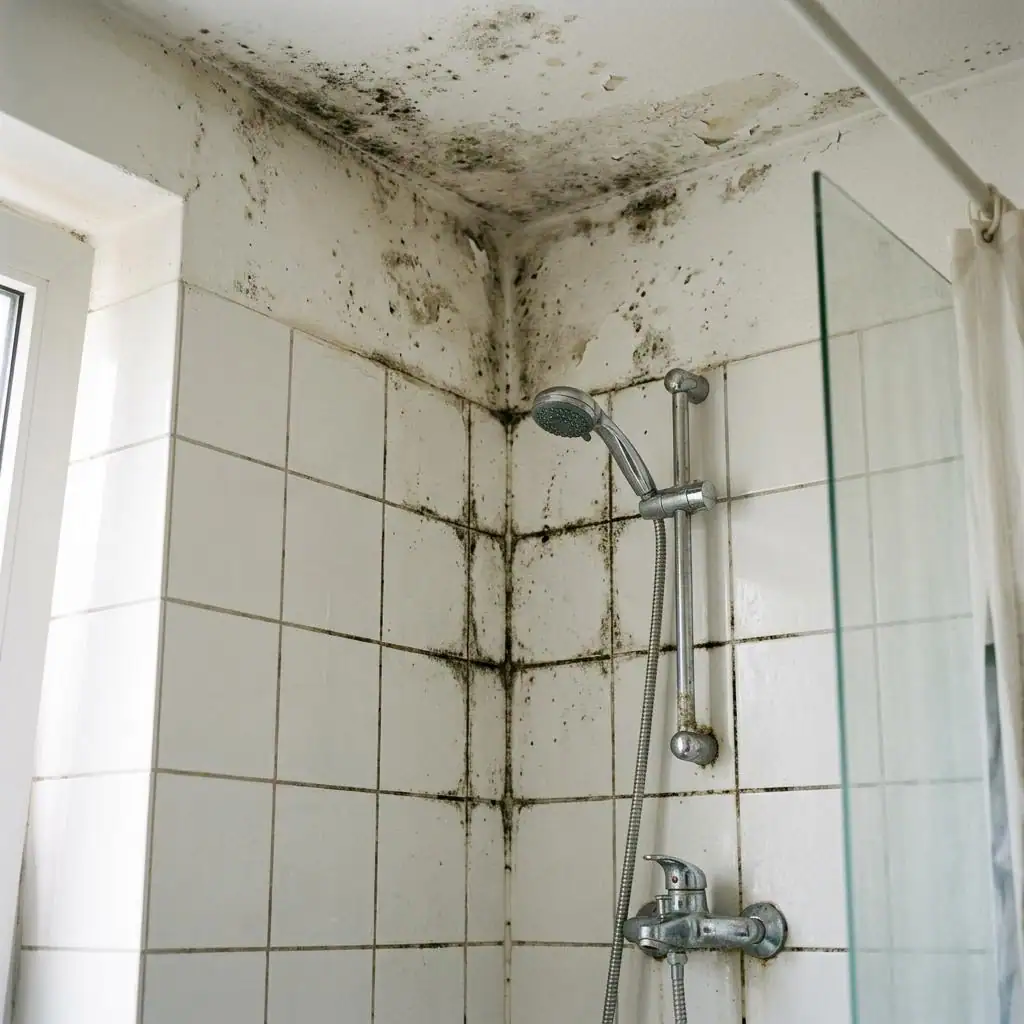
Pay extra attention to areas near the faucet and showerhead, where splashing is heaviest. Even if the surface looks dry, the drywall beneath could be damp. If you feel any softness, mark that spot and check if the paint or wallpaper is bubbling, peeling, or discolored. Those visual clues often accompany hidden moisture problems. Mold Removal Boston Pros hidden bathroom mold frequently develops in these exact locations because the moisture is persistent and the area lacks good ventilation.
Step 2: Check Around the Toilet Base
The toilet is another common trouble spot. Water can leak from the wax ring where the toilet meets the floor, from a cracked porcelain base, or from condensation on the tank. Start by pressing on the drywall along both sides of the toilet, especially near the floor. If the toilet is on a raised platform or a tiled curb, check the vertical wall surfaces where they meet the floor.
Do not forget to inspect the wall behind the toilet, even if it is tight. Use a flashlight to look for stains, discoloration, or softness near the supply line where the water connects to the toilet tank. A slow leak at that connection can drip down inside the wall and wet the drywall without any visible sign on the front. If the drywall feels firm but you see a water stain, there may still be moisture deeper inside. A moisture meter can confirm whether the area is damp.
Step 3: Look for Signs of Previous Repairs
Sometimes soft drywall is hidden behind fresh paint or a new layer of caulk. If you notice that the caulk around your tub or toilet looks newer than the rest of the bathroom, or if there is a patch of drywall that does not match the texture of the surrounding wall, those could be signs of a previous repair. A repair that was done without addressing the moisture source will eventually fail again. Press on those repaired areas as well; they may feel firm on the surface but soft underneath if moisture is still present.
If you find a patch that feels solid but the surrounding drywall is soft, the moisture may be migrating from the original source into the unaffected area. That pattern suggests the leak is ongoing and has not been fully stopped. Mark the boundaries of any soft area so you can track whether it expands over the next few weeks.
Step 4: Test the Floor and Subfloor
Soft drywall often coincides with soft flooring. Water that seeps into the wall can also soak into the subfloor, especially around the toilet flange or the tub drain. Press on the floor near the base of the toilet and along the edge of the tub. If the floor feels springy or shows signs of water damage like warped tiles or loose linoleum, the moisture problem likely extends beyond the drywall.
In a bathroom with ceramic tile, check the grout lines for cracks or missing sections near the tub or toilet. Water can travel through those gaps and saturate the drywall from behind. If the grout is intact but the floor still feels soft, the moisture may be coming from a plumbing leak that is not visible from above. In that case, you may need to access the area from below, such as a basement ceiling or a crawlspace, to see the full extent of the damage.
Step 5: Use Your Sense of Smell
Mold has a distinct musty odor that is often easier to detect than visual or tactile signs of moisture. If you smell something musty near the tub or toilet but the drywall feels firm, do not assume the problem is absent. The odor can come from mold growing inside the wall cavity, where the drywall surface is still dry enough to feel solid. In that case, the drywall may be compromised only in a small area behind the surface, and the smell is your best early warning.
If you detect an odor but find no soft spots, try pressing on the drywall in a wider radius around the source of the smell. Sometimes the soft area is hidden behind a vanity, a cabinet, or a piece of trim. Move any loose items and check those hidden surfaces. Mold Removal Boston Pros hidden bathroom mold is often found in these concealed spots because they are rarely cleaned or inspected.
What to Do If You Find Soft Drywall
Finding a soft spot does not mean you need to panic, but it does mean you need to act. The first step is to stop using the tub or toilet until you identify the moisture source. For a tub, check the caulking around the rim and the showerhead connections. For a toilet, look at the supply line, the wax ring, and the tank for cracks. If the leak is from a plumbing fixture, have a plumber fix it before you address the drywall.
Once the leak is stopped, the soft drywall will need to be cut out and replaced. Drywall that has been wet for more than 24 to 48 hours is likely to grow mold inside the wall cavity, so removing the damaged section is important not only for structural integrity but also for indoor air quality. After removing the drywall, let the wall cavity dry completely before installing new drywall. Use a dehumidifier or a fan to speed up the drying process, especially in a bathroom without good ventilation.
If the soft area is small and the drywall feels only slightly damp, you may be able to dry it out with a heat gun or a hairdryer set on low, but this is only effective if the moisture source has been fully eliminated and the drywall has not started to disintegrate. In most cases, cutting out the affected section is the safer choice because it lets you inspect the wall cavity for mold and address any growth that has already started.
When to Call a Professional
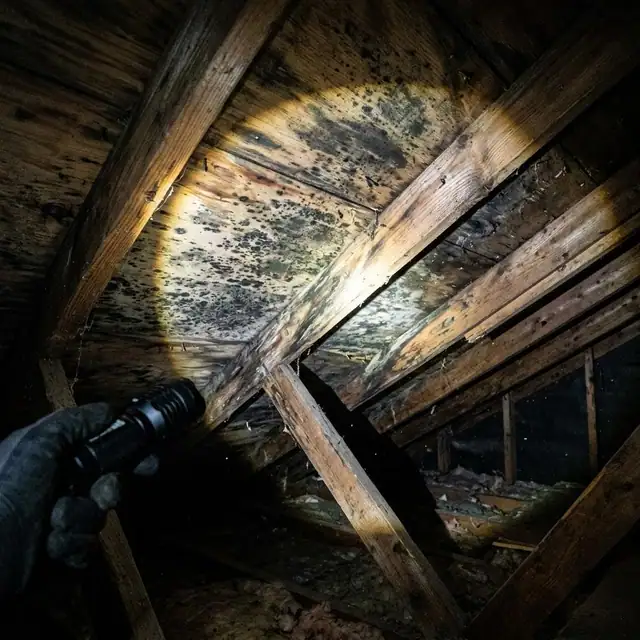
If you find extensive soft drywall, a persistent musty smell, or visible mold on the surface of the drywall, it is wise to call a remediation specialist. Bathroom mold can spread quickly inside wall cavities, and disturbing it without proper containment can release spores into the air. A professional service like Mold Removal Boston Pros has the equipment and experience to locate all the hidden moisture, remove damaged materials safely, and address the ventilation issues that allowed the moisture to accumulate in the first place.
Even if the drywall feels firm but you suspect hidden moisture, a professional inspection can give you peace of mind. Many mold problems start small and go unnoticed for months, leading to more extensive damage and higher repair costs. Checking for soft drywall regularly, at least once a season, is a simple habit that helps you catch problems before they grow.